


With some of the season’s most frigid temperatures on the way, AAA Texas reminds homeowners and renters that preparing and maintaining your home for inclement weather is essential to helping avoid winter-related repairs. Prolonged periods of below-freezing temperatures can wreak havoc on a home’s heating system, plumbing, and exterior features. Maintaining your property during cold strikes is essential to reduce your risk of winter damage.
VIDEO FOR NEWS MEDIA |
B-Roll of Water Damage/Frozen Pipes |
B-Roll of Truck Traction Troubles/Driving on Ice/Snow |
“The time to prepare your home for the upcoming cold weather is right now,” said Michele Wyatt, AAA Texas Vice President of Claims. “Taking small steps to ensure your home’s interior and exterior are ready can help you avoid high repair costs and potential headaches in the future.”
AAA Insurance reports the average frozen pipe claim costs more than $11,000, though the amount can be much higher depending on damage to personal property.
What You Can Do to Protect Your Home:
- Remove hoses from exterior faucets and cover the faucet.
- Repair or replace weather stripping around windows and doors, vents and fans, plumbing, air conditioners, and electrical and gas lines.
- Use caulk or insulation to seal all cracks, holes, and other openings on exterior walls.
- Let faucets drip a little bit to prevent freezing pipes.
- Well-insulated basements and crawl spaces will help protect pipes. Close foundation vents and windows to basements. Wrap vulnerable pipes with pipe insulation.
- Know where your water shutoff valve is so that you can turn off the water in case of an emergency.
- Air inside the walls, where pipes are, can be much colder than air in the room, so set the thermostat at a reasonable temperature, even if you will be away from home.
- Keep bathroom and kitchen cabinet doors open to let warm air circulate around the pipes.
- Close your wood-burning fireplace flue damper when you’re not using it. Follow all manufacturer instructions for gas fireplaces, including those with pilot lights, which may require the flue to be partially open at all times.
Winter Damages Covered by Homeowners Insurance: Winter comes with snow, and sometimes lots of it. If your roof collapses or is damaged due to the weight of snow or ice from a storm, a standard home insurance policy may cover the damage. Another threat to your home in the winter season is cold snaps. Water left standing in pipes when the temperature drops may expand with enough force to cause it to burst, leading to serious water damage if the issue isn’t immediately identified. Damage caused by burst pipes as well as the repair costs are covered by most standard home insurance policies, as long as regular maintenance is performed, and owners maintain heat in the building.
What’s Not Covered by Homeowners Insurance: Most storm damage is covered under home insurance; however, there are exclusions that could apply. Flash floods caused by a sudden rise in temperature during the winter months can cause significant damage to your home that will not be covered by your standard home insurance policy, but flood insurance can be purchased separately. Most damages not covered by insurance are due to homeowner neglect or lack of maintenance. These may include damages resulting from extreme cold due to failure to maintain heat in your house.
More Winter Liabilities: In addition to the above risks, slips and falls on your property are always a possibility in winter. Such incidents are likely covered by the liability coverage that comes with your home insurance policy, but it’s a good idea to double-check with your insurance agent. If you do experience an incident like this, help with potential legal aspects may also be included in your policy.
Is Your Home Insurance Ready? By taking the necessary precautions and preparing your house for winter, you can avoid having to make an insurance claim this winter season. Trimming threatening trees, shutting off your water and draining pipes, and cleaning your gutters are all things that can be done before it gets too cold. If a winter disaster does strike, having the right home insurance coverage will help. Review your policy with your agent to be sure you’re ready.
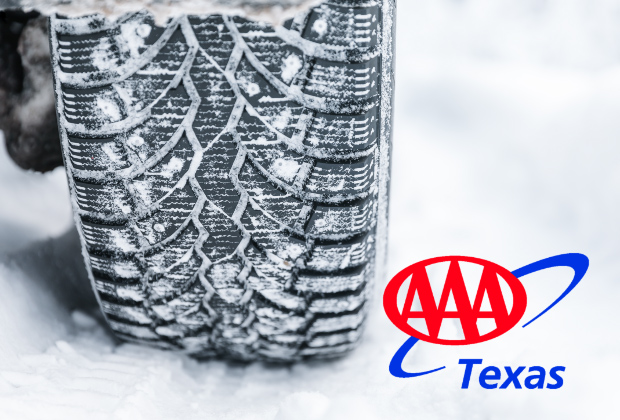
Preparing Your Vehicle for Driving in Bad Weather:
- To optimize visual clarity, clean the outside and inside of your windshield at least once a week. Frequent cleaning is even more important if you smoke.
- Keep your car’s windshield and rear-window defrosters in good working condition.
- Keep your windshield wiper blades fresh. Many drivers change them every six months, especially before driving in bad weather.
- Clear all snow and ice from the vehicle’s windows, roof, hood, trunk lid, and any other covered areas. This will reduce risk because it increases your visibility. Additionally, drivers around you won’t be blinded by snow blowing off your vehicle.
- Use an ice scraper to remove snow and ice from your windshield and all windows, including side and rear windows. This will improve your ability to see other roadway users that may move into your path of travel.
AAA Texas and Discount Tire have teamed up to remind drivers about the importance of well-maintained tires, which are critical to maintain traction on wet roads:
- Inflate Tires to the Correct Pressure. Check your tires’ air pressure when the tires are cool because heat (from driving or the ambient temperature) can increase tire pressure readings by several pounds per square inch (psi). Check the Tire Pressure Often. Tires lose pressure naturally—typically 1–3 psi per month—because a tire’s sidewall is permeable. Low tire pressure results in poor handling and braking, reduced gas mileage, and excessive wear. So be sure to check your car’s tire pressure at least once a month—especially before a long trip.
- Check the Tread Depth. A tire’s ability to stop within a safe distance becomes compromised when its tread depth reaches 4/32 inch. An easy way to determine if a tire is worn out is to place an upside-down quarter (not a penny) in a tire tread. If you can see the top of George’s head, it’s time to replace the tire.
- Rotate Your Tires Regularly. Ideally, rotate your tires every 5,000 miles—which, coincidentally, is a required service interval for many cars today.
- Check the Tread Pattern. If you’ve kept your car’s wheels balanced and aligned and its tires rotated and properly inflated, the tread should wear evenly across the width of the tire. Check your tires periodically for uneven wear patterns and replace tires if necessary.
- Know the Tire’s Age. As a tire ages, its rubber becomes hard and brittle, losing elasticity and strength. Therefore, the older a tire, the higher the risk for failure. We recommend replacing any tire that’s six years old or older.
- Check Your Trunk. An increasing number of new vehicles today come with tire-inflation kits instead of spare tires; some vehicles are equipped with run-flat tires and no spare tire. Check to see which option your vehicle has. If it does have a spare tire, make sure to keep it properly inflated. Small temporary spare tires—a.k.a. donuts—typically have the correct pressure stamped on the side of the tire.
- Don’t Overload Your Vehicle. The combination of underinflated tires and an overloaded vehicle is one of the most dangerous conditions because the tires can overheat and possibly fail. Check your car’s owner’s manual for your vehicle’s gross vehicle weight rating, which is its maximum operating weight, including the weight of the vehicle, passengers, and cargo (but excluding a trailer).